
How to Dink and Why It’s Important for Your Success in Pickleball
 pickleballcourtsflorida@gmail.com
“Dink” is one of the first words you hear on a pickleball court. It’s also one of the most important shots you can learn.
In this guide, I’ll show you how to dink. You’ll learn the steps, the types, and the best spots to aim. By the end, you’ll know how to use this shot to win more points.
- What Is a Dink in Pickleball?
- Why Dinking Is Essential in Pickleball Success
- How to Hit a Dink Correctly: Step-by-Step Technique
- Types of Dinks in Pickleball
- Best Dink Placement to Put Your Opponent Under Pressure
- When Should You Dink?
- Common Dinking Mistakes to Avoid
- Advanced Dinking Strategies
- Best Drills to Improve Your Dink
- FAQs About Pickleball Dinking
- Conclusion
What Is a Dink in Pickleball?
A dink is a soft shot. You hit it from the kitchen line. It lands in your opponent’s non-volley zone. The name fits the shot. You don’t swing hard. You tap the ball with a light touch.
The kitchen is 7 feet long on each side of the net. It runs from sideline to sideline. You can’t step in and hit the ball in the air while inside it.
Tennis and racquetball don’t have this rule. The kitchen rule forces you to slow down near the net. That’s what makes pickleball’s soft game so different.
Why Dinking Is Essential in Pickleball Success
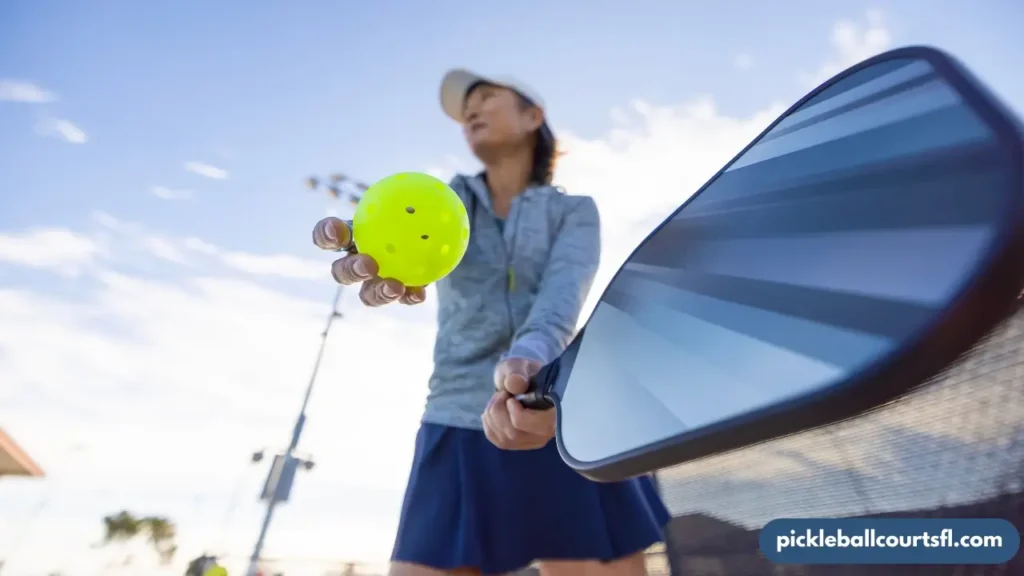
Controls the Pace of Play
A soft dink slows the rally down. Both players have to work hard for each point. Rec play means casual pickleball games played without formal ratings or divisions
Forces Opponents Into Mistakes
Your dink carries very little speed. This forces your opponent to build their own shot. That’s often when they make an error.
Creates Attacking Opportunities
A good dink often pulls a weak, high ball back. This gives you an opportunity to attack.
Helps You Win More Rallies
Long dink rallies test your opponent’s patience. Stay calm, and you’ll often outlast them.
Why It’s Critical in Doubles
In doubles, both partners often stand at the kitchen line. One weak dink can open the whole court to your opponents.
How to Hit a Dink Correctly: Step-by-Step Technique
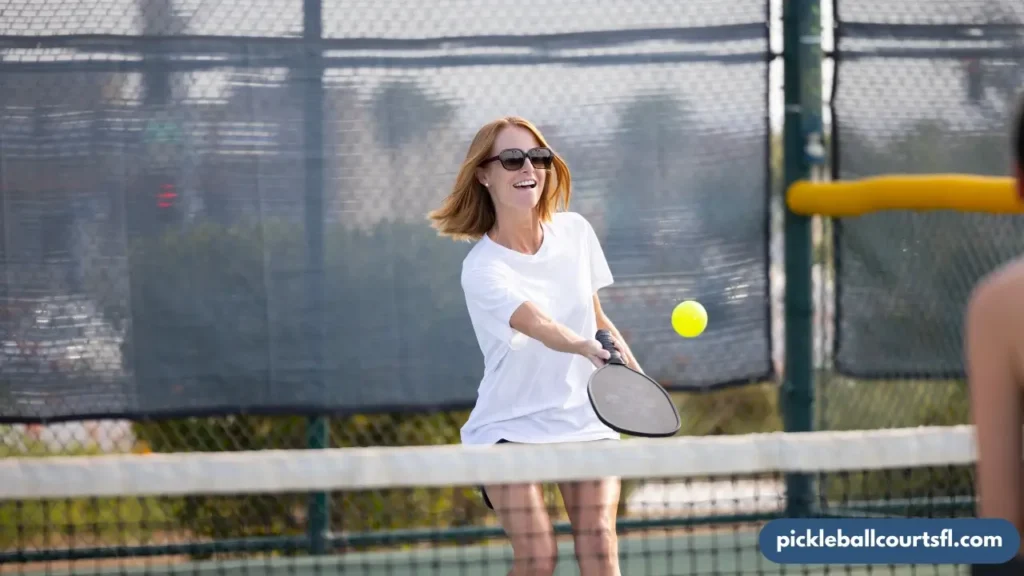
Start near the kitchen line. Bend your knees. Keep the paddle positioned in front of your body.
Ready Position
Bend your knees a little. Keep all your weight on the balls of your feet. This helps you to move fast in any direction.
Grip
Hold the paddle with a soft grip. A tight grip makes your wrist stiff.
Paddle Angle
Open your paddle face a little. It becomes easier to send the ball over the net.
Swing Mechanics
Keep your swing short and compact. A short swing helps with accuracy and control.
Use your wrist and forearm together. Don’t move your shoulder much. Skip the big arm swing. This provides you with more control over the ball to hit better.
Contact Point
Make contact with the ball ahead of your body. Don’t let it drop near your feet.
Recovery After the Shot
Move back to your ready spot after each shot. This helps you react to the next ball fast.
Types of Dinks in Pickleball
Pro players use different dinks in different spots. Below we define 7 types og dinks you should know.
| Dink Type | Best Used When |
| Forehand Dink | The ball comes to your strong hand side |
| Backhand Dink | The ball comes to your weak hand side |
| Cross-Court Dink | You want the safest path over the net |
| Straight-Ahead Dink | You want to hit your opponent’s body or feet |
| Volley Dink | You catch the ball in the air, before it bounces |
| Offensive Dink | You spot a chance to add pressure |
| Defensive (Reset) Dink | Your opponent hits a hard, fast shot at you |
Learning all 7 types gives you more options. It also keeps your opponent guessing.
Best Dink Placement to Put Your Opponent Under Pressure
Where you place your dink matters a lot. It can create a better opportunity for your next shot.
Cross-Court
At the center, the net measures 34 inches in height. The net reaches 36 inches in height along both sides. A cross-court dink crosses at the lowest point. This makes it a safer shot.
Opponent’s Backhand
Most players are weaker on their backhand side. Aim here to force a weak return.
Feet
A dink at your opponent’s feet is hard to hit back. It forces them into a difficult position.
Middle
A dink down the middle can confuse a doubles team. Both players may hesitate. Best names for your pickleball team are here.
Wide Angles
A dink to the corner pulls your opponent off the court. This opens space for your next shot.
Why Placement Matters More Than Power
A well-placed dink beats a hard hit almost every time. Power is easy to predict. Placement is not.
When Should You Dink?
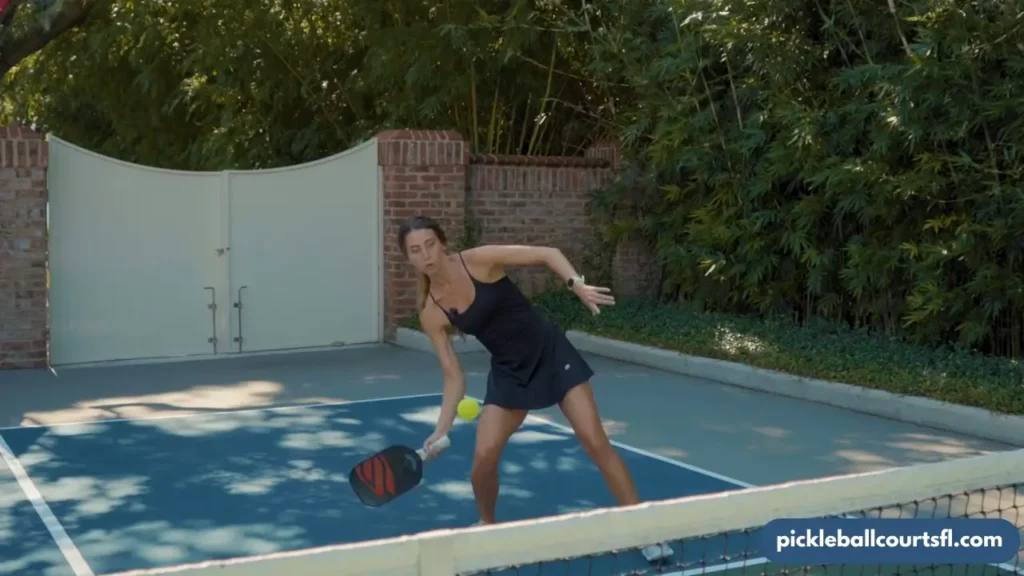
You can dink at almost any point in a game. Here are the best times to use it.
During Kitchen Exchanges
Dink when you and your opponent both stand at the kitchen line. This is the most common time to use this shot.
Against Hard Hitters
A dink slows down a power player’s game. It takes away their best weapon.
To Reset the Rally
Use a dink when you’re out of position. It buys you time to reset.
To Force a Weak Return
A good dink often pulls a short, high ball back. That’s your chance to attack.
To Move Opponents Out of Position
A wide dink pulls your opponent off balance. This opens the court for your next shot.
Common Dinking Mistakes to Avoid
| Mistake | Fix |
| Swinging too hard | Use a short, compact swing |
| Tight grip | Relax your grip |
| Poor paddle angle | Open your paddle face |
| Standing upright | Bend your knees and stay low |
| Watching only the ball | Watch your opponent too |
| Repeating the same spot | Mix up your targets |
Advanced Dinking Strategies
Change Placement
Mix up your angles and depths. A predictable dink gives your opponent time to attack it.
Attack High Dinks
Watch for a ball that rises above the net’s 34-inch mark. That’s your cue to speed up, not dink again.
Speed Up at the Right Time
When you spot a real opening, take it. A fast shot at the right time can end the point.
Create Angles
A sharp, wide dink stretches your opponent’s reach. This opens gaps for your next shot.
Be Patient During Dink Rallies
Don’t hit from the same spot every time. Long rallies test patience more than skill.
Best Drills to Improve Your Dink
Cross-Court Drill
Rally cross-court dinks with a partner. Count your longest streak without a miss.
Target Drill
Set up targets in the kitchen. Try to land 8 out of 10 dinks in the same spot.
Consecutive Dink Drill
Count how many dinks in a row you can hit. Try to beat your number each time.
Footwork Drill
Shuffle side to side while holding your ready stance. Good footwork keeps your dinks steady under pressure. Try this for 5 minutes before each match.
FAQs About How to Dink
What is a dink in pickleball?
A dink is a soft shot from the kitchen line. It lands in your opponent’s non-volley zone.
What’s the difference between a dink and a drop shot?
A dink starts at the kitchen line. A drop shot starts from mid-court or the baseline.
How do you win a dink rally?
Stay patient. Keep your shots low. Wait for a weak ball, then attack it.
Why is dinking so important?
A dink slows the rally down. It forces your opponent to hit the ball up, which sets up your attack.
Where should a dink land?
Aim for your opponent’s non-volley zone. Target their backhand, feet, or the corners.
Conclusion
That’s your full guide to dinking in pickleball. I hope these tips help your game right away.
A dink isn’t a flashy shot. But it wins the most points. Practice your form. Mix up your targets. Stay patient at the net. The player who owns the kitchen usually wins the game. Visit our website to find your nearest pickleball court easily.



Leave a Reply