

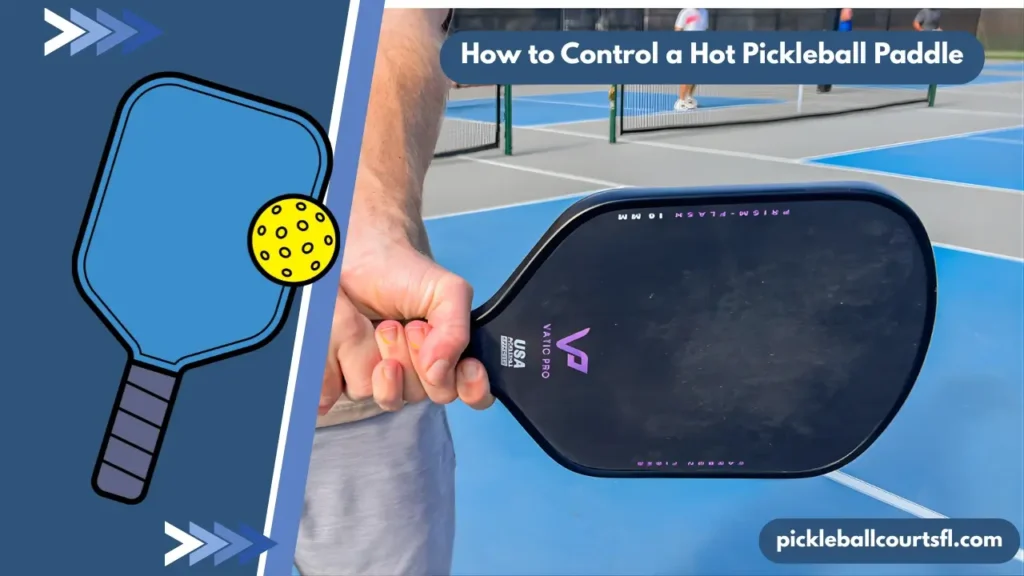
A hot pickleball paddle hits hard with very little effort. That power feels great, but it can make your shots fly long. You may see pop-ups, missed dinks, and lost control during rallies. This does not mean the paddle is too much for you.
It means you need small control changes, not less power. You can fix this with grip, timing, and setup tweaks. This guide shows how to control a hot pickleball paddle step by step.
- What Is a Hot Pickleball Paddle?
- Anatomy of Paddle Control: The Core Concepts
- Tips for Controlling a Hot Paddle
- Paddle Weight Mechanics and Logic
- Grips & Hand Contact Techniques for Better Control
- What Is the Best Way to Apply a PPF to Your Paddle? Need Tips
- PPF on My Selkirk Boomstik Regal
- Drills to Improve Control with a Hot Paddle
- Common Mistakes That Hurt Control
- 12. Maintenance & Care Tips That Impact Control
- FAQs
- Conclusion
What Is a Hot Pickleball Paddle?
A hot pickleball paddle removes the ball with more force with less swing. When you remove the ball, it quickly jumps out of the way and reaches the opponent. A hot paddle helps check the shorts.
This reduces the chances of missing a short while playing. On the contrary, control paddles work differently. They slow down the contact with the ball. With a hot paddle, you can hit the ball long without swinging. When you miss a short, you feel like time is running fast because your bat is reacting faster than expected.
Anatomy of Paddle Control: The Core Concepts
a. Grip Pressure & Mechanics
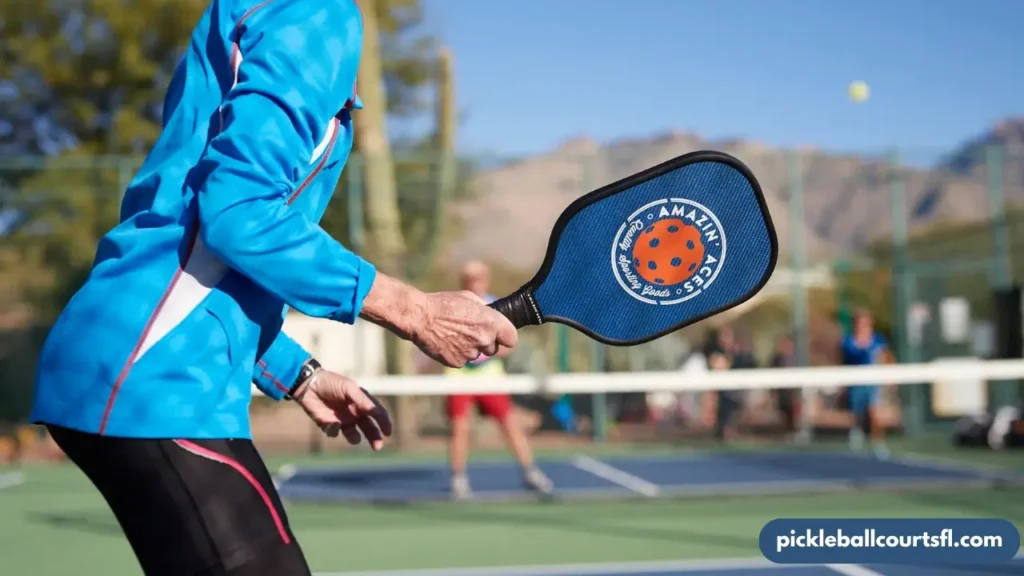
Your paddle grip pressure controls the ball jumping speed. A tight grip adds power in shorts. It also feels touch. A loose grip improves control on shorts.
You can feel unstable at first. The goal is a firm yet relaxed hold that stays steady on contact. Your grip should tighten slightly only at ball impact. This grip style helps soft shots stay low and controlled.
b. Paddle Face Angle & Sweet Spot Awareness
Your paddle angle decides where the ball is going. Small angle changes matter more when using a hot paddle. An open face sends balls high very fast.
A closed face drives the ball low but risks the net. Hot paddles punish off-center hits with pop-ups or mishits. Practice slow swings while watching the paddle face closely.
c. Footwork & Body Position
Your good footwork keeps your body balanced before every shot. Late steps force rushed swings. Result in poor paddle control. Stay low with your weight centered.
Slightly bend your knees. Keep the paddle in front of your body at all times. Prepare yourself to place shots better.
Tips for Controlling a Hot Paddle
- Use a loose but steady grip when you hit. A tight grip makes the ball pop and fly long.
Relax your hand and let the paddle absorb power. - Practice the same shots again and again. Drills help your hands learn the paddle feel. Control comes from repeat swings, not force.
- Add topspin on drives and passing shots. Brush up on the ball instead of hitting it flat.
Spin helps the ball dip back into the court. - Work on wrist and forearm strength off the court. Stronger arms reduce shock and improve control.
Light bands and slow reps are enough. - Practice with softer or foam paddles at times. They have larger sweet spots and less jump.
This makes hot paddles feel easier later.
Paddle Weight Mechanics and Logic
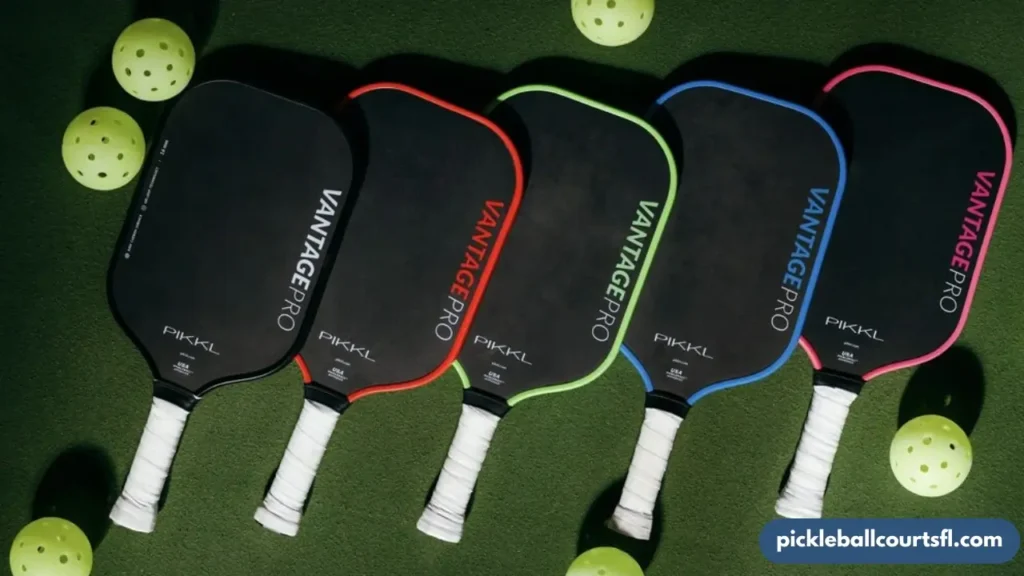
Paddle weight plays a big role in control. Light paddle hit quickly. Heavy paddle slows your hands and hurts your reaction speed. The goal is a stable paddle that still moves fast.
How Weight Affects Control
Light paddles react fast but bounce more on impact. They magnify mishits and send balls long. Heavy paddles absorb power but tire your arm faster. They also slow-hand battles at the net.
Balanced weight gives you the best mix. It steadies the face without killing speed. Most players gain control from small weight changes.
Sweet Spot and Weight Distribution Logic
Weight near the edges reduces paddle twisting. Fewer twists means cleaner hits on off-center shots. This makes hot paddles feel more forgiving.
Weight near the handle improves stability. It keeps the paddle from flipping open at impact. This helps control pop and launch angle.
Adding Small Weight for Better Control
Use lead or tungsten tape in small amounts. Start with one to two grams only. Test changes before adding more weight.
Where to Add Weight and Why
| Weight Placement | Control Effect | Best For |
| 3 and 9 o’clock (sides) | Reduces twisting and mishits | Off-center hits |
| 12 o’clock (top) | Adds power and depth control | Drives and serves |
| Throat area | Improves balance and feel | All-around control |
| Handle | Slows face flip and pop | Soft shots and dinks |
Grips & Hand Contact Techniques for Better Control
- The way you grip the pedal reacts to it. Small changes in your grip can make a warm pedal feel more comfortable for you. You’ll be able to get better control without locking your wrist.
- The Continental Grip works well for many players. It does not allow the paddle to twist during different strokes, which makes it easier for you to play the strokes, and it does not cause you to miss any strokes or make any mistakes.
- Some players keep their index finger slightly forward, which plays an important role in making you feel calmer, and you can play better shots.
- Use light pressure for dunks and drop shots. Stay calm before shooting. Relax again after removing the ball.
- Sweat on your hands during play reduces control. Be sure to keep a towel with you to dry your hands so that your grip remains strong. Only when you have full control over the paddle will you be able to play the best shots.
What Is the Best Way to Apply a PPF to Your Paddle? Need Tips
PPF means Paddle Protection Film. Some brands call it polypropylene paddle face protection. It is a thin, clear layer added to the paddle face.
What PPF Is and Why Players Use It
PPF protects the paddle surface from wear. It reduces scratches and edge damage. Many players use it to extend paddle life.
Some PPF adds light texture to the face. This can increase grip on the ball. That extra friction can improve control on hot paddles.
How PPF Affects Paddle Control
PPF slightly softens ball contact. This can reduce pop on hard shots. Spin shots may feel more controlled and predictable.
The feel change is small but noticeable. Hot paddles often benefit the most.
Step-by-Step: How to Apply PPF Correctly
- Clean the paddle face fully. Remove dust, oil, and sweat marks.
- Align the film at the top edge. Make sure it sits straight before pressing.
- Press from the center outward. Push air bubbles toward the edges.
- Use a soft squeegee or card. Smooth the surface slowly and evenly.
- Trim the edges with a sharp blade. Do not cut into the paddle face.
- Check the surface once finished. A clean install gives the best feel and control.
PPF on My Selkirk Boomstik Regal
Real-World Case Example
The Selkirk Boomstik Regal hits hard by design. Many players notice extra pop on fast swings. Control can feel tricky during soft shots.
Why Players Add PPF to This Paddle
Players add PPF to calm the paddle face. The film protects the surface from wear. It also adds light texture to the face.
That texture helps grip the ball longer. This matters most on drives and resets.
How PPF Changes Spin and Control
PPF slightly softens ball contact. Shots leave the paddle with less jump. Topspin feels easier to manage.
Dinks stay lower and more controlled. Pop-ups happen less often at the net.
Before vs After: Control Comparison
Before PPF Shots fly long with small timing errors. Soft shots feel touchy and quick.
After PPF Ball contact feels calmer and steadier. Resets and drops land more often.
For Boomstik Regal users, PPF adds margin. You keep power but gain better control.
Drills to Improve Control with a Hot Paddle
Wall Drills for Faster Control
Stand close to a wall and hit soft shots. Keep swings short and controlled. Focus on clean contact, not power.
This drill sharpens reflexes fast. It also exposes timing mistakes right away.
Target Practice with Cones or Zones
Place cones inside the kitchen and baseline. Aim for shape, not speed. Hit ten balls to one spot before switching.
Targets train your eyes and hands together. Control improves when the aim stays simple.
Soft Exchange Drills at Low Pace
Rally with a partner using gentle swings. Keep the ball low over the net. Use only half speed on every shot.
This builds touch and patience. Hot paddles feel easier to manage here.
Controlled Volley Sequences
Stand at the net with your partner. Volley back and forth without swinging hard. Use compact punches, not full swings.
This drill trains calm hands under pressure. You learn to block, not attack, fastballs.
Common Mistakes That Hurt Control
Very Tight Gripping
A tight grip locks your wrist. The paddle pops the ball too fast. Soft shots become hard to manage.
Over-Swinging
Big swings add power you do not need. Hot paddles already supply extra speed. Short swings give you better control.
Ignoring Sweet Spot Alignment
Missing the sweet spot causes wild shots. Hot paddles punish off-center contact more. Clean contact keeps the ball predictable.
Not Adjusting Weight or Tape
A stock paddle may feel unstable. Small weight changes calm fast reactions. Ignoring this fix limits your control gains.
Switching Grips Too Often
Changing grips breaks muscle memory. Your hands lose feel and timing. Stick with one grip and refine it.
Maintenance & Care Tips That Impact Control
Keep Your Grip Clean and Fresh
Dirty grips lose feel and slip more. Wipe your grip after every session. Replace it once the tack feels weak.
A fresh grip restores control fast. Your hands stay relaxed and steady.
Clean the Paddle Face Often
Dust and oils reduce spin and touch. Wipe the face with a damp cloth. Dry it fully before storing.
Clean surfaces give a steady ball response. You get more predictable shots.
Avoid Heat and Cold Damage
Extreme heat can warp paddle layers. Cold makes materials stiff and dull. Store your paddle at room temperature.
Proper care keeps control consistent. Your paddle performs the same every match.
FAQs about How to Control a Hot Pickleball Paddle
How do I control power on a hot pickleball paddle?
Use a relaxed grip and shorter swings.
Add topspin and aim higher over the net.
Does paddle weight affect control?
Yes, weight changes how stable the paddle feels.
Slightly heavier paddles feel calmer on contact.
Can tape help me control my paddle better?
Yes, tape adds balance and steadies the sweet spot.
Small amounts can reduce wild shots.
What’s better for control: heavy or light paddle?
Light paddles react fast but feel twitchy.
Medium weight paddles offer better control for most players.
How often should I change my grip for the best control?
Change grips when they feel slick or hard.
Most players replace grips every few weeks.
Conclusion
We have provided all the information so that you will be able to control the hot pickle ball paddle better. You have to read this guide and make the best use of the hot pickleball paddle. You will get better control.
We have also told you how to use your feet properly and how to avoid excessive fatigue. Our website is specially designed to find pickleball courts. That helps you to find pickleball courts easily. Simply search for ” near me pickleball courts.
Leave a Reply